How Phone Verification by Call Works: A Step-by-Step Guide
Discover how phone verification by inbound call works seamlessly without SMS or OTT apps. A straightforward guide for developers and product managers.
Phone verification by call is a straightforward method to confirm a user's phone number without relying on SMS or OTT apps. In today's digital landscape, ensuring secure and efficient user verification is crucial for apps, e-commerce sites, and fintech platforms.
Traditional methods like SMS OTP often face challenges such as high costs, delivery delays, and dependency on third-party apps. Phone verification by call offers an alternative that is both cost-effective and user-friendly, especially in regions like Vietnam and Southeast Asia.
What is Phone Verification by Call?
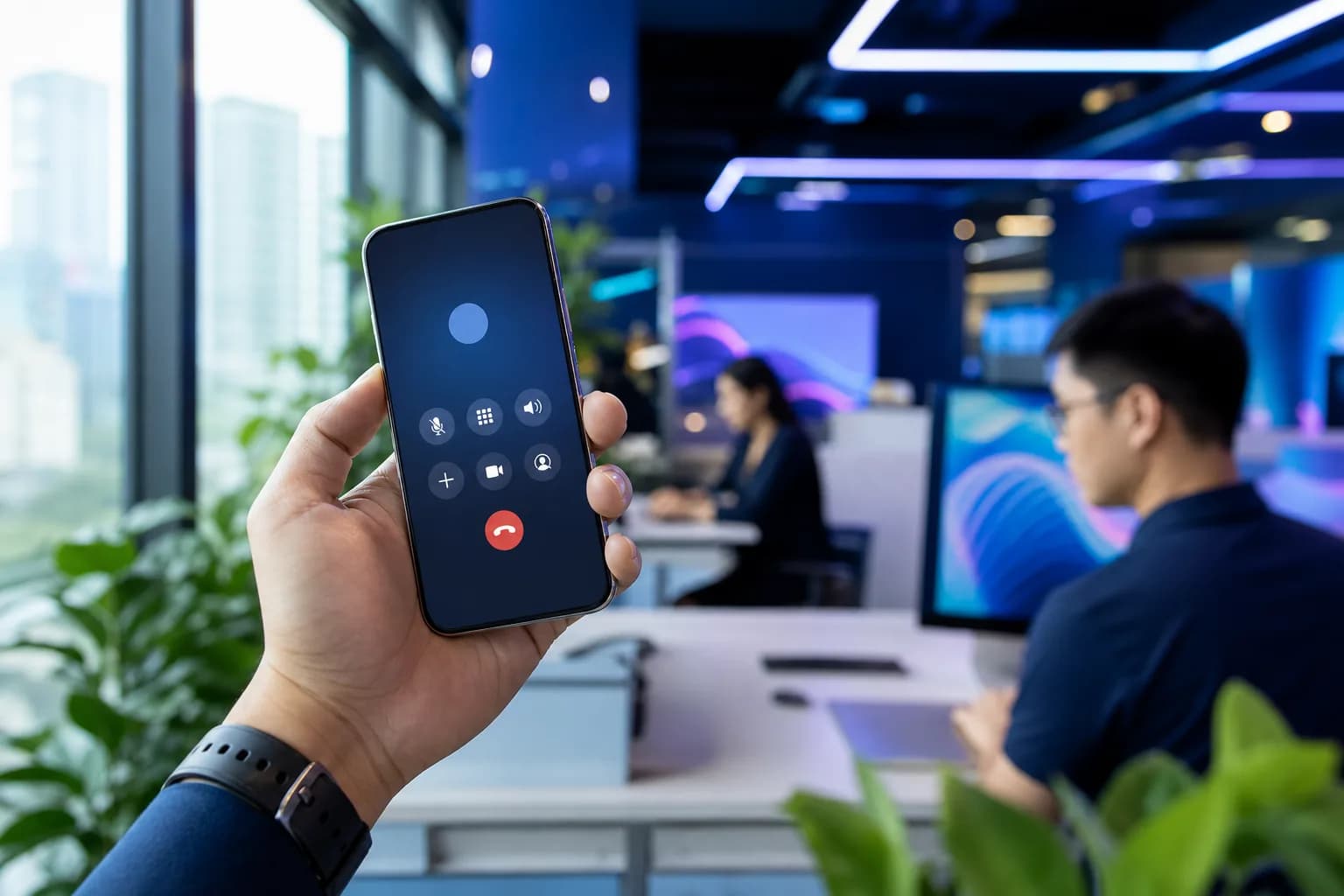
Phone verification by call is a method to confirm a user's phone number by having them place a call. Instead of sending an SMS code or relying on third-party apps, the system verifies the caller's number automatically when they dial a designated hotline. The call is rejected before connection, so the user incurs no charges.
Here's how it works at a technical level:
- The app requests verification by calling an API with the user's phone number.
- The API returns a hotline number for the user to call.
- The user taps to call this number from the device being verified.
- The system matches the incoming caller ID to the expected number.
- The call is rejected instantly (no charge to the user).
- The verification result is sent back to the app via webhook or API.
Compared to SMS OTP, this method avoids carrier delivery issues and costs associated with sending messages. Unlike OTPs via WhatsApp, Zalo, or other OTT apps, it requires no app installation or registration. For apps in Vietnam and Southeast Asia, where SMS delivery can be unreliable and users may not all have the same messaging apps, phone verification by call offers a consistent alternative.
Key differences from other methods:
- vs SMS OTP: No message to send or code to type; works without cellular data.
- vs OTT apps: No dependency on specific apps being installed; works on any mobile phone.
- vs voice OTP: No audio code to listen to or note down; faster user experience.
Step-by-Step Flow of Phone Verification by Call
Phone verification by call works without SMS codes or third-party apps. Here’s how it typically flows:

- API request with user’s phone number: Your app sends the user’s phone number to the verification API. This triggers the process.
- Hotline number generation: The system returns a hotline number, valid for a short time (often minutes). This number is local in Vietnam or other supported markets.
- User initiates call: The user taps to call the hotline from the phone being verified. No code is typed—just a standard phone call.
- Caller ID match: The system checks the incoming call’s caller ID against the submitted phone number. No call connection is made.
- Call rejection to prevent charges: The call is rejected before connecting, so the user isn’t charged. Mobile carriers typically treat this as a missed call.
- Result via webhook or API: The system sends the verification result (success/failure) to your backend, either by pre-configured webhook or API polling.
For apps in Vietnam, this avoids SMS delivery delays and Zalo/WhatsApp dependencies. Developers can test the flow in sandbox mode before going live.
Benefits of Phone Verification by Call
Phone verification by call offers distinct advantages for apps, e-commerce sites, and fintechs, especially in Vietnam and Southeast Asia. Here are the key benefits:
- Cost savings compared to SMS: SMS OTP often incurs per-message costs, which can add up with high user volumes. Phone verification by call uses inbound calls, eliminating SMS charges. Since the call is rejected before connection, users are not billed, making it a cost-effective solution.
- No dependency on OTT apps: Many verification methods rely on over-the-top (OTT) apps like WhatsApp, Zalo, or Viber. This can exclude users who don’t have these apps installed or prefer not to use them. Phone verification by call works directly via the phone’s native dialer, ensuring broader accessibility.
- Improved user experience: Users typically find it easier to tap a call button than to manually enter an OTP code. The process is seamless—users call a hotline, and verification happens instantly without requiring additional steps. This reduces friction during sign-up, login, or checkout, improving conversion rates.
These benefits make phone verification by call a practical choice for businesses looking to streamline phone verification while reducing costs and enhancing user satisfaction.
Security Considerations
Phone verification by call relies on caller ID matching, which has inherent security trade-offs like any authentication method. Here’s how to mitigate risks:
Caller ID Spoofing
Fraudsters can sometimes fake caller IDs, though this is harder in Vietnam and Southeast Asia where carriers often enforce stricter caller ID validation. To reduce spoofing risks:
- Combine call verification with IP geolocation or device fingerprinting
- Set short expiration windows (e.g., 5 minutes) for verification attempts
- Limit retry attempts per phone number
SIM Swap Vulnerabilities
Like SMS OTP, call verification can be bypassed if attackers transfer a victim’s number to a new SIM. Mitigations include:
- Using call verification only for lower-risk actions (e.g., sign-up) and requiring additional factors for sensitive operations (e.g., withdrawals)
- Monitoring for sudden SIM changes via carrier APIs where available
Layered Security
No single method is foolproof. For apps in Vietnam handling financial transactions or sensitive data:
- Pair call verification with behavioral biometrics (typing speed, swipe patterns)
- Add step-up authentication for high-value actions
- Monitor sessions for suspicious IP changes or device swaps
For deeper fraud patterns, see our fraud prevention techniques guide. Always design authentication flows defensively, assuming any single layer could fail.
Phone Verification for Apps in Vietnam
In Vietnam, SMS sender ID regulations can complicate phone verification. Businesses often need to register sender IDs with carriers, a process that can be time-consuming and costly. Additionally, SMS delivery rates can vary, especially in rural areas or during peak times, leading to delays or failed verifications. These challenges make SMS OTP less reliable for apps requiring fast and consistent user onboarding.

OTT apps like Zalo and WhatsApp are widely used in Vietnam, but relying on them for phone verification introduces its own issues. Users may not have these apps installed, or they might prefer not to link their accounts to third-party services. Furthermore, OTT-based verification excludes users with low-end phones or limited data plans, who often rely on basic calling and texting features.
Phone verification by call works well for apps in Vietnam because it leverages a universal feature: the ability to make a phone call. Even on low-end devices, users can initiate a call with a single tap. This method eliminates the need for SMS sender ID registration or OTT app dependency, simplifying the process for both developers and users. It’s particularly effective in areas with patchy SMS coverage or for users who prefer not to install additional apps.
For developers targeting Southeast Asia, phone verification by call offers a practical solution that aligns with local user habits and infrastructure. To explore how this method can benefit specific industries, visit our industry use cases page.
Integration Tips for Developers
To integrate phone verification by call, start with a simple API call to request verification. The API returns a hotline number your user must call—typically within 60–120 seconds. Your app should display this number and prompt the user to tap it directly (no manual dialing). The system rejects the call instantly upon recognition, and results arrive via webhook or API poll.
API endpoints overview
The core endpoints are:
- Initiate verification: Send the user's phone number, receive the hotline number and verification ID.
- Check status: Poll for results if not using webhooks (recommended for reliability).
- Webhook confirmation: Configure your endpoint to receive verified numbers and errors.
Webhook setup
For real-time results, set up a webhook URL in your developer portal. Ensure it:
- Accepts POST requests with JSON payloads
- Returns HTTP 200 within 2 seconds
- Handles retries gracefully (webhooks resent if your endpoint fails)
Handling edge cases
In Vietnam and Southeast Asia, consider:
- Call delays: Some carriers take 5–15 seconds to route calls—extend timeouts accordingly.
- Caller ID masking: Rare cases where carriers alter the caller ID; log discrepancies.
- Network errors: Allow users to retry if calls drop before verification completes.
For detailed implementation steps, refer to the integration guides in the portal.
Ready to simplify your phone verification process? Try phone verification by inbound call with a free trial and see the difference it makes for your app.
Frequently asked questions
How does phone verification by call save costs?+
It eliminates SMS charges and reduces dependency on OTT apps, leading to lower operational costs.
What happens if the user doesn't answer the call?+
The call is rejected before it connects, ensuring the user is not charged and the verification attempt is noted.
Is phone verification by call secure?+
While it mitigates some SMS-related risks, it's essential to implement layered security measures to address potential vulnerabilities.
How long does the verification process take?+
The process is typically completed within seconds, depending on the user's promptness in initiating the call.
Can this method be used internationally?+
Yes, but it's essential to consider local telecom regulations and costs for international calls.
- #phone verification
- #otp methods
- #fraud prevention
- #integration guides
- #phone verification vietnam
Ready to verify phone numbers with one call?
Start free trial