
How COD Order Verification by Call Cuts Fake Orders in Vietnam
Verify cash-on-delivery orders in Vietnam with a quick call instead of SMS OTP. Reduce fake orders and refused deliveries without extra costs or user friction.
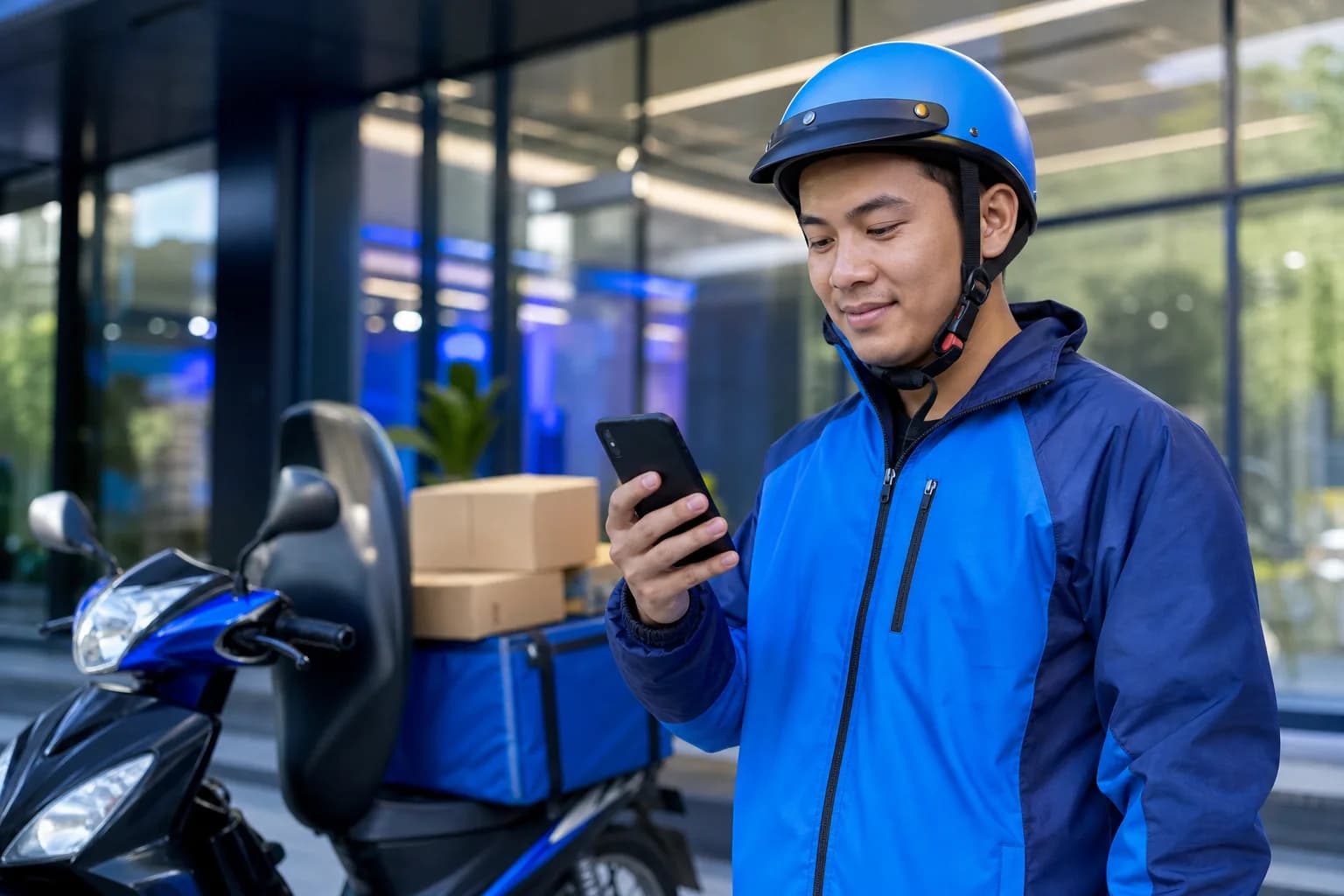
COD order verification is a headache for e-commerce shops in Vietnam. Fake orders and refused deliveries waste delivery staff time and cut into margins, while SMS OTP costs add up for high-volume sellers.
With inbound call verification, customers simply tap to call a hotline from the phone number on the order. The system checks the caller ID and hangs up instantly—no SMS fees, no codes to type, no WhatsApp dependency. Here’s how it works for COD.
Why COD orders need phone verification
Cash-on-delivery (COD) orders in Vietnam face three costly problems that phone verification helps solve. Fake orders and promo abuse drain margins when fraudsters exploit sign-up bonuses or bulk-order discounts. Refused deliveries waste logistics capacity when customers deny placing orders—often because their numbers were spoofed or shared.
SMS OTP verification adds operational friction. While reliable for low-volume transactions, per-message costs add up for high-volume sellers. Delivery delays or failures—common with cross-network SMS in Southeast Asia—can stall checkout flows. WhatsApp or Zalo OTP excludes feature phone users and requires app installation, shrinking your potential customer base.
Phone verification tackles these issues by confirming that:
- The number belongs to a real device (not a VOIP or burner SIM)
- The customer can receive inbound calls (proving active ownership)
- The interaction happens during checkout (blocking bulk fake orders)
This works effectively for stopping promo abuse because each verified number adds friction to mass account creation. For logistics teams, matching verified numbers to orders reduces "I didn’t order this" claims. Unlike SMS, call-based verification doesn’t depend on app installs or cross-carrier routing—critical for reaching all customers in Vietnam’s diverse mobile market.
How call-based COD verification works
When a customer selects cash-on-delivery (COD) at checkout, your e-commerce platform collects their phone number. Instead of sending an SMS code, the system uses a faster, more reliable method: phone verification by call.

Here’s the step-by-step flow:
- Customer enters phone number: The buyer provides their mobile number during checkout (typically +84 for Vietnam or +60/+62/+63 for Southeast Asia).
- System generates a hotline: Your platform calls the CallOTP API, which returns a unique, one-time hotline number.
- Tap-to-verify: The customer taps to call the hotline directly from their device—no app install or code entry needed.
- Instant match: The system recognizes the caller ID, rejects the call before connection (so no airtime is charged), and confirms the number matches the order.
The entire process takes under 10 seconds and happens automatically:
- No SMS delivery delays or failures
- No dependency on Zalo, WhatsApp, or other messaging apps
- No typing errors from manual OTP entry
Verified numbers are linked to COD orders in real time, reducing the risk of fake orders tied to unverified or disposable numbers. For platforms in Vietnam, this method works even when SMS delivery is unreliable during peak hours or with certain carriers.
COD verification for apps in Vietnam: Key advantages
Call-based COD verification solves critical challenges for e-commerce apps in Vietnam and Southeast Asia where cash-on-delivery dominates but fake orders strain logistics. Unlike SMS or OTT-dependent methods, it works reliably across all mobile networks and device types.
- Works on all phones—no smartphone or app required. Users verify by tapping a call button, ideal for feature-phone users or those avoiding WhatsApp OTP dependencies.
- No SMS delivery risks. Avoids carrier filtering, gateway delays, or shared shortcode throttling—common with SMS OTP in Vietnam’s congested networks.
- Lower cost at scale. Rejects calls before connection, so carriers charge nothing. Bulk SMS fees add up for high-volume COD platforms.
- Faster than OTT fallbacks. Users without WhatsApp/Zalo installed skip app downloads and permissions—just one tap to call.
For logistics-heavy models like COD, call verification reduces refused deliveries by ensuring the number is reachable and owned by the order submitter. It complements—rather than replaces—other fraud checks like address validation.
Comparing verification methods for COD orders
For COD orders in Vietnam, verifying the buyer's phone number before dispatch is critical to prevent fake orders and refused deliveries. Here’s how common methods compare:
| Method | Works offline? | OTT app needed? | User action | Typical cost driver |
|---|---|---|---|---|
| SMS OTP | Yes | No | Receive SMS, type code | Per-message fees, carrier routes |
| WhatsApp/Zalo OTP | No | Yes | Open app, retrieve code | API costs, user app dependency |
| Voice call OTP | Yes | No | Answer call, hear code | Call duration, international termination |
| Call-based (e.g., CallOTP) | Yes | No | Tap to call, auto-verify | Hotline infrastructure |
Key trade-offs:
- SMS OTP works universally but incurs per-message costs and depends on carrier delivery, which can delay verification.
- WhatsApp/Zalo OTP avoids SMS fees but requires users to have the app installed and logged in – problematic for feature phones or secondary numbers.
- Voice call OTP reaches most phones but costs scale with call duration and may frustrate users who must listen to codes.
- Call-based verification eliminates typing and OTT dependencies, with costs tied to hotline operations rather than per-attempt fees.
For e-commerce platforms in Vietnam, call-based methods often balance reliability and cost, especially when targeting users without smartphones or consistent app access. However, no single method is perfect against fraud – combining verification with order patterns (e.g., new account checks) improves results.
Reducing refused deliveries with verified numbers
Verified phone numbers help e-commerce platforms in Vietnam filter out high-risk COD orders before shipping. By confirming a customer's active mobile number via call-based verification, you block disposable or burner numbers often used for fake orders. This first-layer check reduces the pool of potential fraudulent purchases.

Integrate verified numbers with your order history to flag suspicious patterns. For example:
- New accounts with no prior verified purchases
- Rush orders to remote locations
- Multiple orders from the same number with different delivery addresses
For high-value COD orders, add a second verification factor like email confirmation or a layered authentication step. This extra check balances security with convenience for legitimate customers.
Automatically update customer profiles with verification status and timestamps. Verified numbers become trust signals for future purchases, letting you streamline checkout for repeat buyers while maintaining scrutiny for new accounts. In Southeast Asia, where COD remains dominant, this approach cuts refused deliveries without adding friction for genuine shoppers.
Integrating call verification with e-commerce platforms
Integrating call-based phone verification into e-commerce platforms for COD orders in Vietnam is straightforward. Start by calling the verification API at checkout, passing the customer’s phone number. The API returns a hotline number for the customer to call. Once the system recognises the caller ID, it rejects the call to avoid charges and sends the verification result to your platform via webhook or API response.
Use webhooks to receive verified results in real time. This ensures immediate updates to your order management system, reducing delays. Configure your webhook endpoint to process the verification status and update the order record accordingly. For example, mark orders as ‘verified’ or flag unverified numbers for manual review.
Update your order management system to handle verified and unverified cases. Verified numbers can proceed to delivery scheduling, while unverified ones may trigger follow-up actions like retrying verification or contacting the customer. This reduces refused deliveries and improves operational efficiency.
Test the integration thoroughly in a staging environment before going live. Simulate various scenarios, such as successful verifications, failed attempts, and edge cases like incorrect numbers. Ensure your system handles each case correctly, from API calls to webhook processing and order updates.
This integration helps e-commerce platforms in Southeast Asia verify COD orders reliably, streamline operations, and reduce delivery issues.
Call-based COD verification cuts fake orders and refused deliveries without adding friction for genuine customers. See how it works with a free trial—no contracts or upfront costs.
Frequently asked questions
Can customers spoof their caller ID to bypass verification?+
Caller ID spoofing is possible but detectable. Layer call verification with order value limits or behavior analysis for high-risk transactions.
What if the customer's phone has no calling credit?+
The call is rejected before connecting, so no airtime is charged. Even phones with zero balance can verify.
How fast is verification compared to SMS OTP?+
Typically under 10 seconds—faster than waiting for an SMS and typing a code, especially on low-end devices.
Can we use this for existing customer records?+
Yes, bulk verify customer databases to flag disposable numbers or update records pre-delivery.
Do we need to maintain a pool of hotline numbers?+
No, the system provides temporary hotline numbers automatically. No long-term number allocation needed.
- #cod verification
- #ecommerce vietnam
- #fraud prevention
- #phone verification
- #sms alternative
- #southeast asia
Ready to verify phone numbers with one call?
Start free trial