A Minimal Phone Verification API: 2 Endpoints and 1 Webhook
Integrate phone verification quickly with a minimal API: 2 endpoints and 1 webhook. No IVR design or sender ID approval needed. Free trial available.
Phone verification is essential for apps in Vietnam and Southeast Asia, but traditional methods like SMS OTP often come with high costs and delivery issues. A minimal phone verification API simplifies the process with just 2 endpoints and 1 webhook. This approach eliminates the need for complex IVR call-flow design or manual sender ID approval, making integration faster and more self-serve.
With inbound call verification, users tap to call a hotline, and the system verifies their phone number without charging them for the call. This method protects against SMS pumping fraud and works seamlessly across iOS, Android, and web. Developers can use sample prompts with AI tools like Claude, ChatGPT, or DeepSeek to generate integration code quickly.
Why Minimal APIs Matter for Phone Verification
For apps in Vietnam and Southeast Asia, verifying phone numbers is a critical step in onboarding, login, and payment flows. Developers need a solution that integrates quickly without adding unnecessary complexity. Minimal APIs, with fewer endpoints and straightforward workflows, enable teams to focus on their core product rather than spending time configuring complex verification systems.
A phone verification API with just two endpoints—one to start the verification and another to check its status—reduces integration time and simplifies maintenance. Developers can avoid dealing with multiple call flows, IVR designs, or manual approvals for sender IDs or brandnames. This self-serve approach allows teams to get started without waiting for external processes.
Speed of integration is especially important for startups and growing businesses. With fewer endpoints, developers can paste sample prompts into AI tools like ChatGPT or Claude to generate integration code in minutes. This streamlined process ensures that phone number verification becomes a seamless part of the user experience, not a bottleneck.
How the Phone Verification API Works
The API verifies phone numbers via inbound calls using two endpoints and an optional webhook. Here's the flow:

1. Create a verification
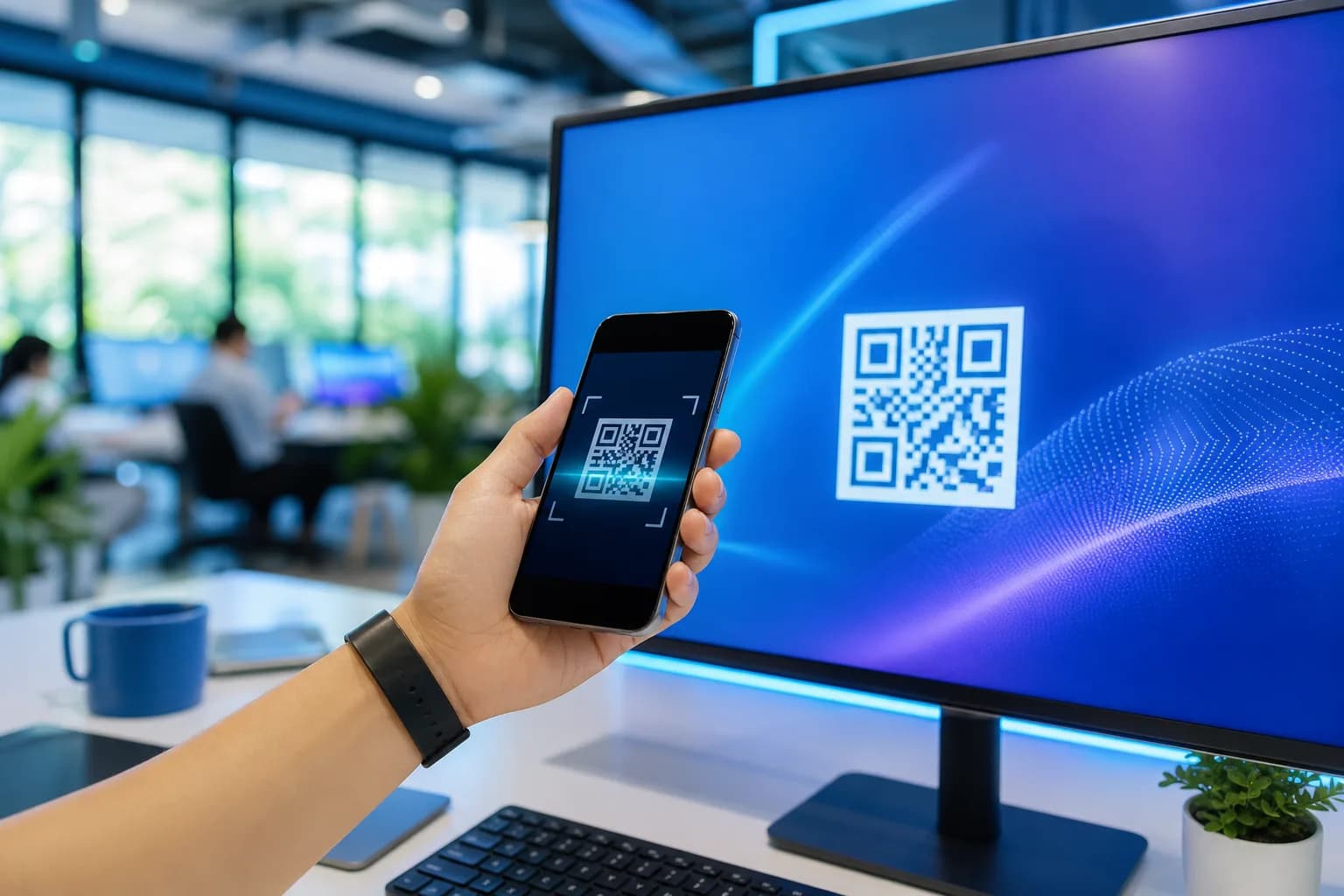
Your app calls the /verify endpoint with the user's phone number. The API returns a hotline number (valid for a limited time). Display this number with a tel: link so mobile users can tap to call, or as a QR code for web users.
2. User calls the hotline
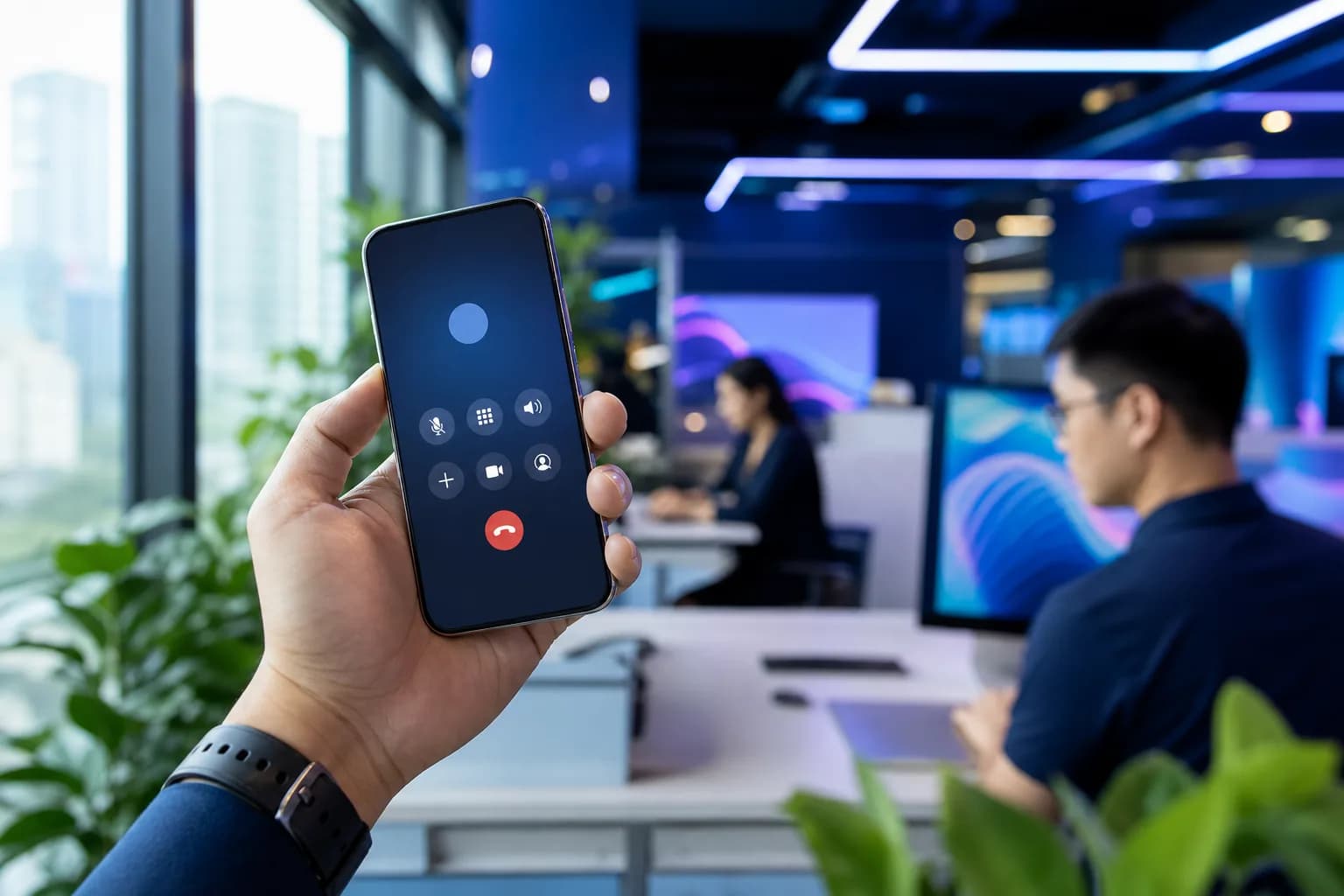
The user calls the number from the device being verified. The system matches the caller ID, rejects the call before connection (no charge to the caller), and marks the verification as successful. See our detailed guide to phone verification by call for handling different carriers in Vietnam.
3. Get the result
Check the verification status via the /status endpoint (polling) or receive it instantly via webhook. The response confirms if the caller ID matched the submitted number.
For apps in Southeast Asia, this avoids SMS delivery delays and works uniformly across iOS (no call-log access needed), Android, and web. The entire verification typically completes in under 30 seconds.
Advantages Over SMS OTP
Phone verification via inbound calls solves three key pain points of SMS OTP for businesses in Vietnam and Southeast Asia:
- No SMS fees or delivery issues: Unlike SMS OTP which depends on carrier networks and incurs per-message costs, inbound verification uses the phone's native dialer. Users call a hotline that rejects before connection, avoiding SMS delivery failures and international routing fees common with cross-border SMS.
- Built-in protection against SMS pumping: SMS OTP APIs are vulnerable to bot attacks that flood the system with requests, each costing the business. With inbound verification, businesses pay only when a real user completes a call—bots cannot trigger charges by spamming the API.
- Lower operational cost: Eliminating SMS fees cuts verification expenses, particularly for high-volume services. The cost structure of inbound calls also avoids the 15–20 seconds of airtime used by voice OTP systems to recite codes.
For apps in Vietnam where SMS delivery can be inconsistent and WhatsApp is not universally adopted, this method provides a carrier-agnostic alternative that works across iOS, Android, and web without third-party apps.
Integration Made Easy with AI
Developers integrating the phone verification API can use AI tools like Claude, ChatGPT or DeepSeek to generate code quickly. Copy the sample integration prompt from the portal and paste it into your AI tool of choice. Specify the programming language and framework you are using, and the AI will generate the necessary code snippets for your app.
Sample prompts include:
- Generate Python code to call the phone verification API and handle the webhook response.
- Write Node.js code to create a verification request and check the status.
- Show me Java code to integrate the phone verification API into a Spring Boot app.
Test your integration with the free trial account to verify everything works as expected. Make test calls from different devices and networks to ensure compatibility. Check that the webhook is receiving the verification results correctly.
For apps in Vietnam and Southeast Asia, test with local mobile numbers and networks to confirm reliable verification across carriers. AI-generated code can significantly speed up development, but always review and adapt it to your specific requirements.
Phone Verification for Apps in Vietnam
For apps in Vietnam, inbound call verification sidesteps two common SMS OTP pain points: unpredictable sender ID approval delays and low delivery rates on certain carriers. Since the verification call uses a pre-allocated hotline number, there's no need to wait weeks for brandname approval or adjust content to pass carrier filters.

Low-end Android phones—still widely used in Vietnam—handle call-based verification smoothly. Unlike SMS OTP, which may fail if the device lacks storage space for incoming texts, or app-based OTP requiring Zalo/WhatsApp installation, verification by call works on any phone with cellular service. Users simply tap the dialer link (no app installs or permissions needed).
Common local use cases include:
- Preventing promotion abuse: Unlike SMS OTP, where bots can claim unlimited codes, call verification ensures each number is tied to a real device
- COD order verification: Confirming customer numbers for cash-on-delivery logistics without SMS fees
- Marketplace seller onboarding: Reducing fake accounts while supporting users without smartphones
For Southeast Asian markets where prepaid SIMs are common, the pay-nothing-when-rejected call model aligns with users' pay-as-you-go habits—no surprise charges for failed verification attempts.
Handling Edge Cases
Phone verification must work reliably across devices and networks. Here's how the inbound call method addresses common edge cases:
Desktop Users with QR Codes
When users verify from a desktop browser, they scan a QR code with their phone camera. This opens the dialer with the hotline pre-filled, maintaining the one-tap flow. The system matches the caller ID even if the QR was scanned from a different device.
Dual SIM Phones
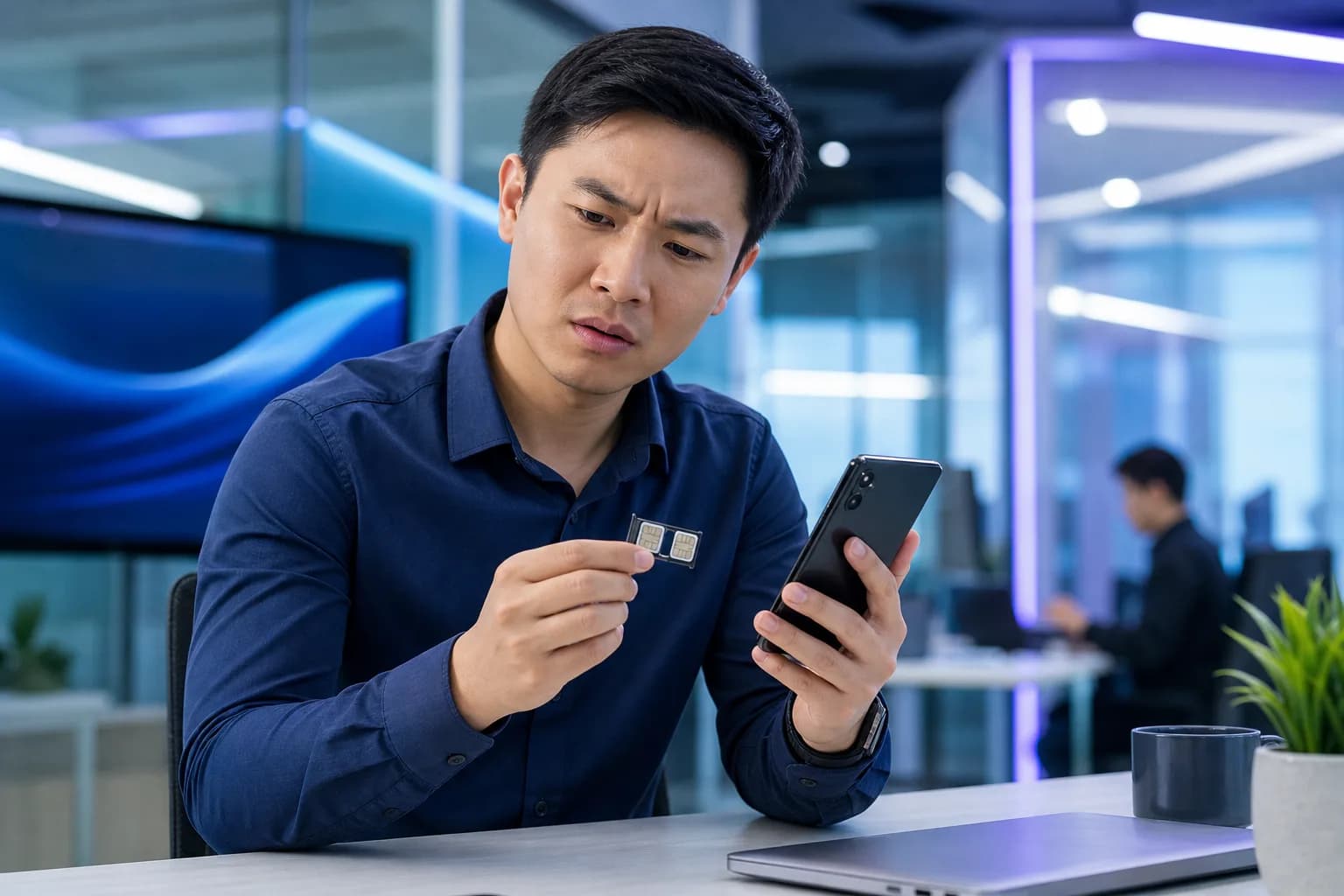
In Vietnam and Southeast Asia where dual-SIM phones are common, the verification uses the SIM that initiates the call. Users can retry with their secondary SIM if needed. The system doesn't require call-log access, avoiding iOS restrictions that break some alternative methods.
Retry Mechanisms
Failed attempts automatically generate new hotline numbers. Since businesses only pay for completed verifications, retries don’t incur SMS-like costs. Developers can set timeouts and attempt limits based on their risk tolerance for phone verification edge cases.
The inbound call approach naturally handles these scenarios without custom code for each exception—just verify the number that actually calls in.
Security Considerations
Phone verification is one layer in a layered defense strategy against fake accounts and fraud. Inbound call verification offers specific protections:
- SIM swap resistance: Unlike SMS OTP, which can be intercepted after a SIM swap, inbound verification requires physical possession of the device to initiate the call. This matches real-world account recovery patterns in Southeast Asia, where carriers typically require in-person visits for SIM replacements.
- Caller ID validation: The system verifies the calling number against telecom carrier records, not just the device-reported caller ID. This prevents basic spoofing attempts common in Vietnam, where VoIP-based caller ID manipulation is often used for fraud.
- Bot protection: Since businesses pay only when real users call, automated attacks that flood SMS OTP systems cannot generate costs. This is particularly valuable for apps in Vietnam facing SMS pumping attacks.
For high-risk transactions, combine verification methods: use inbound calls for initial verification, then require a second factor (like app-based authentication) for sensitive actions. This balances security with the low-friction experience users expect.
Ready to simplify phone verification for your app? Try inbound call verification today with a free trial and see how easy integration can be with just 2 endpoints and 1 webhook.
Frequently asked questions
How does inbound call verification protect against SMS pumping?+
Inbound call verification charges only when a real user calls, unlike SMS OTP which costs per request, making it immune to SMS pumping fraud.
Can this API work on iOS devices?+
Yes, inbound call verification works on iOS, Android, and web without needing call-log access.
What is the cost structure for this API?+
Costs are driven by the number of successful verifications, with no SMS fees or voice minute charges.
How long does integration typically take?+
With just 2 endpoints and 1 webhook, integration can be completed quickly, often within hours.
What are common use cases in Vietnam?+
Common use cases include COD order verification, promo abuse prevention, and reducing booking no-shows.
- #phone verification
- #api integration
- #vietnam
- #developer tools
- #fraud prevention
Ready to verify phone numbers with one call?
Start free trial