
Why Call Pumping Fraud Can't Drain Inbound Verification
Call pumping fraud exploits outbound OTP methods to run up costs. Inbound verification charges only when real users call, blocking bot abuse.

Call pumping fraud exploits outbound OTP methods like SMS, voice, and flash calls to run up verification costs. Bots spam APIs with fake requests, forcing businesses to pay for each attempt, even when no real user is involved.
Inbound verification changes the game by charging only when a real user calls a hotline. This method blocks bot abuse and cuts verification costs, making it a reliable choice for apps in Vietnam and Southeast Asia.
How Call Pumping Fraud Works
Call pumping fraud is a type of attack where bots exploit outbound phone verification methods, such as SMS OTP or voice OTP, to generate fake requests. These bots mimic user behavior by submitting large volumes of verification requests using stolen or randomly generated phone numbers. Each request triggers an outbound SMS or voice call, incurring costs for the business—even if no real user is involved.
This fraud often targets apps in Vietnam and Southeast Asia, where phone verification is a critical part of user authentication. Fraudsters automate the process, creating thousands of requests in a short time. Since businesses pay for every outbound SMS or voice call, the costs can quickly escalate, especially when bots repeatedly target the same service.
Unlike legitimate verification attempts, call pumping fraud does not involve real users. The bots never complete the verification process, leaving businesses with mounting costs and no actual user engagement. This makes it a particularly damaging form of fraud, as it drains budgets without delivering any value. For more details on related fraud methods, see how SMS pumping works and how to stop it.
Why Inbound Verification Blocks Call Pumping
Inbound phone verification naturally resists call pumping fraud because it only completes—and incurs charges—when a real user initiates a call. Unlike outbound methods (SMS OTP, voice OTP, or flash calls), where businesses pay per request regardless of legitimacy, inbound verification shifts the cost trigger to user action.
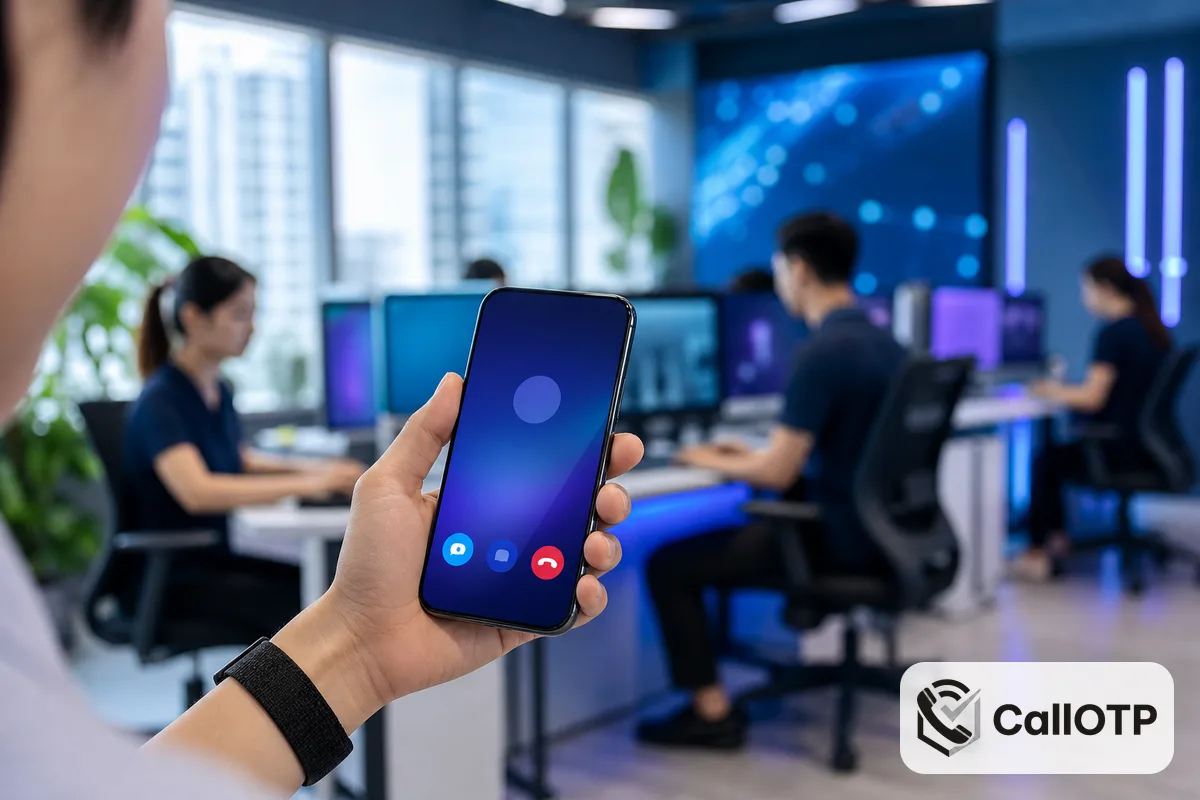
Three key protections:
- No cost from bot traffic: API calls to start verification are free. Bots can spam the verification endpoint, but until an actual call arrives from the user's device, no charges apply.
- Caller ID matching: The system verifies the calling number against the one provided in the API request. Spoofed or mismatched numbers fail automatically.
- Rejected before connection: Calls are terminated instantly upon recognition, ensuring the user pays no carrier fees—critical in Vietnam where prepaid plans dominate.
For apps in Vietnam and Southeast Asia, this design eliminates two major risks of SMS-based verification: (1) pumping attacks where fraudsters exploit per-message fees, and (2) delayed or undelivered OTPs due to carrier filtering. Since inbound verification doesn't rely on SMS delivery or shared shortcodes, it avoids these systemic vulnerabilities.
Developers implementing the solution need no special fraud rules—the protection is inherent to the inbound flow. While no method is universally fraud-proof, combining inbound verification with rate limits and behavioral analysis creates a robust first layer against account takeovers.
Comparing Verification Methods
Phone verification methods vary in cost, user experience, and fraud protection. Here’s how SMS OTP, voice OTP, flash call, and inbound verification compare:
| Method | Cost Drivers | Fraud Protection |
|---|---|---|
| SMS OTP | SMS fees per request, international routing costs | Vulnerable to SMS pumping and SIM swap attacks |
| Voice OTP | Voice call duration, international call rates | Susceptible to call pumping fraud |
| Flash Call | Call setup fees, app permissions required | Limited on iOS due to call-log access restrictions |
| Inbound Verification | No SMS or voice fees; charges only on successful calls | Blocks call pumping fraud by design |
SMS OTP is widely used but can be costly, especially for apps in Vietnam with high SMS fees. Voice OTP adds accessibility but incurs higher costs due to call duration. Flash call offers a seamless experience but is restricted on iOS, limiting its effectiveness.
Inbound verification eliminates SMS and voice fees, charging only when a real user calls. This method inherently blocks call pumping fraud, as bots cannot generate costs without making successful calls. For a deeper comparison, explore how flash call, voice OTP, and inbound verification differ.
Call Pumping Fraud for Apps in Vietnam: Key Challenges
In Vietnam, apps relying on SMS OTP or voice OTP for phone verification face significant risks from call pumping fraud. This type of fraud exploits outbound verification methods, where businesses pay per request, regardless of whether the request is legitimate or fraudulent. Here are three key challenges:
- High SMS costs: SMS OTP is often the default verification method, but it comes with high per-message fees. Call pumping fraud amplifies these costs by flooding the system with fake requests, forcing businesses to pay for each one, even if no real user receives the code.
- OTT dependency issues: Many apps turn to WhatsApp or Zalo OTP as an alternative to SMS. However, these methods require users to have the app installed and active, which can exclude users who don’t use these platforms. Additionally, OTT OTP methods can still be targeted by bots, leading to wasted resources.
- Promotion abuse risks: Fraudsters often exploit verification systems to abuse promotional campaigns. For example, they can repeatedly verify fake numbers to claim discounts or rewards, draining budgets and skewing analytics.
These challenges highlight the need for a verification method that minimizes exposure to fraud while maintaining accessibility for users. Inbound verification, where users call a hotline, offers a solution by charging businesses only when real users initiate the call, effectively blocking call pumping attempts.
Layered Defence Against Fraud
While inbound verification blocks call pumping by design, no single method fully prevents fraud. A layered approach combines multiple checks without overburdening legitimate users:

- Combine verification methods: Use inbound calls for primary verification, supplemented by low-friction checks like device fingerprinting or email confirmation. For high-risk actions in Vietnam (e.g., password resets), add step-up authentication like OTP via SMS or WhatsApp.
- Monitor patterns: Track verification attempts per IP, device, or timeframe. Apps in Southeast Asia often see spikes in bot activity during promotional campaigns—automatically throttle or flag suspicious volumes.
- Leverage webhooks: Configure real-time alerts for events like repeated failed verifications from the same number or rapid-fire calls to different hotlines. Immediate notifications let teams investigate before fraud scales.
For sensitive sectors like fintech, consider additional layers:
- Require government ID checks after verification for account upgrades
- Analyze call metadata (e.g., carrier patterns) to detect spoofed numbers
- Cross-check user-provided data with trusted databases where legally permitted
Implementing Inbound Verification
Adding inbound verification to your app is straightforward, with a minimal API footprint. Developers can integrate it in three steps: create a verification request, prompt the user to call the hotline, and check the verification status. The API requires just two endpoints and one webhook, making it easy to add phone verification to your app without complex call-flow design.
The developer documentation is comprehensive and practical, with clear examples in multiple programming languages. Developers can paste sample prompts into AI tools like ChatGPT or Claude to generate integration code quickly. This approach reduces setup time and allows teams to focus on core app features.
For apps in Vietnam and Southeast Asia, the self-serve portal simplifies account management. Developers can monitor verification attempts, set webhook URLs, and manage API keys without manual intervention. Unlike SMS OTP, there’s no need for sender ID approval or carrier coordination, speeding up deployment.
Inbound verification’s developer-first design ensures integration is smooth and scalable. With built-in protection against call pumping fraud and a cost-effective model, it’s a practical choice for apps prioritizing security and efficiency.
Protect your app from call pumping fraud with inbound verification. Try it today with a free trial and see the difference in cost and security.
Frequently asked questions
How does inbound verification reduce costs?+
Inbound verification charges only when real users call, eliminating costs from bot traffic.
Can inbound verification work on iOS?+
Yes, inbound verification works seamlessly on iOS, Android, and web without call-log access.
Is inbound verification secure against SIM swaps?+
Inbound verification adds a layer of security but should be combined with other measures for full protection.
How easy is it to integrate inbound verification?+
Integration is straightforward with just two API endpoints and one webhook.
What edge cases does inbound verification handle?+
Inbound verification handles desktop users, dual SIMs, and retries effectively.
- #call pumping fraud
- #fraud prevention
- #phone verification
- #otp methods
- #fraud vietnam
Ready to verify phone numbers with one call?
Start free trial