What Is Phone Number Verification and Why Every App Needs It
Phone number verification ensures users are who they claim to be. Discover why apps need it, common methods, and how it works for apps in Vietnam.

Phone number verification confirms that a user owns the number they provide. It’s a critical step for apps to prevent fraud, reduce fake accounts, and ensure secure transactions. Without it, bad actors can exploit your platform.
In Vietnam and Southeast Asia, where SMS OTP is widely used but often costly and unreliable, finding a better verification method can improve user experience and cut operational costs. Let’s explore why phone number verification matters and how it fits into your app’s user journey.
What is phone number verification?
Phone number verification is the process of confirming that a user owns the phone number they provide. It ensures the number is valid, active, and accessible to the user. This step is crucial for apps and online services to prevent fraud, secure user accounts, and maintain trust.
By verifying phone numbers, businesses can reduce risks like fake accounts, SIM swap attacks, and unauthorized access. It acts as a first line of defense against account takeovers and fraudulent activities, especially in regions with high mobile usage like Vietnam and Southeast Asia.
Common use cases for phone number verification include:
- User sign-up: Confirming new accounts belong to real individuals.
- Login security: Adding an extra layer of protection with two-factor authentication (2FA).
- Transaction verification: Ensuring payments or sensitive actions are authorized by the account holder.
Phone number verification is a foundational security measure for apps, e-commerce platforms, and fintech services. To explore more about its role in fraud prevention and user authentication, visit our phone verification category.
Why apps need phone number verification
Phone number verification is a critical tool for apps to ensure user authenticity, build trust, and meet regulatory requirements. It helps verify that users are who they claim to be, reducing risks associated with fraud and misuse.

Fraud prevention
Verifying phone numbers helps prevent fake accounts, spam, and fraudulent activities. By tying accounts to real phone numbers, apps can block suspicious sign-ups and reduce fraud risks. This is especially important for financial services and e-commerce platforms in Southeast Asia, where fraud attempts are common.
User trust and security
Users expect secure platforms. Phone number verification reassures them that their accounts are protected from unauthorized access. It also enables features like two-factor authentication, adding an extra layer of security.
Regulatory compliance
Many industries, particularly fintech and e-commerce, require phone verification to meet local regulations. For apps in Vietnam and other Southeast Asian markets, compliance with data protection and anti-fraud laws often mandates strong verification methods.
Common methods for phone number verification
Apps typically verify phone numbers by sending a one-time code that users must enter. Here are the most common approaches:
- SMS OTP: The app sends a numeric code via SMS, which the user copies into the app. This is widely supported but can face delivery delays, especially in Vietnam where SMS filters often block shortcodes. Users may also be charged for incoming SMS.
- Voice OTP: The system calls the user and reads the code aloud. More reliable than SMS in some regions but intrusive and slow—users must listen and type the code while the call is active.
- WhatsApp/Zalo OTP: The code is sent through an over-the-top (OTT) app like WhatsApp or Zalo. Works well if users already have the app installed, but excludes those who don’t and requires extra permissions.
- Inbound call verification: Users tap to call a verification hotline; the system matches the caller ID and hangs up instantly (no cost to the user). No codes, no app dependencies—just one tap. Learn how it compares to other OTP methods.
Each method has trade-offs in cost, speed, and reliability—especially for apps in Southeast Asia where carrier rules vary.
Phone number verification for apps in Vietnam: Key considerations
In Vietnam, phone verification must account for local regulations and user behavior. SMS sender IDs often require registration with carriers, and unregistered IDs may face delivery issues or filtering. Apps relying solely on SMS OTP risk verification failures due to these restrictions.

User preferences matter too. While OTT apps like Zalo dominate messaging, requiring them for verification excludes users without accounts or those on restricted devices. Low-end Android phones with limited storage may struggle with app-based OTP methods.
- Avoid COD abuse: Fraudulent buyers often use unverified numbers for fake orders. Linking a verified phone to each account reduces this risk.
- Prevent promotion farming: Phone verification blocks duplicate accounts exploiting sign-up bonuses, especially when combined with device fingerprinting.
- Optimize for feature phones: Inbound call verification works on all devices—no app installs, SMS reception, or typing required.
For apps in Vietnam, the ideal method balances compliance, coverage, and cost while resisting local fraud patterns.
How inbound call verification works
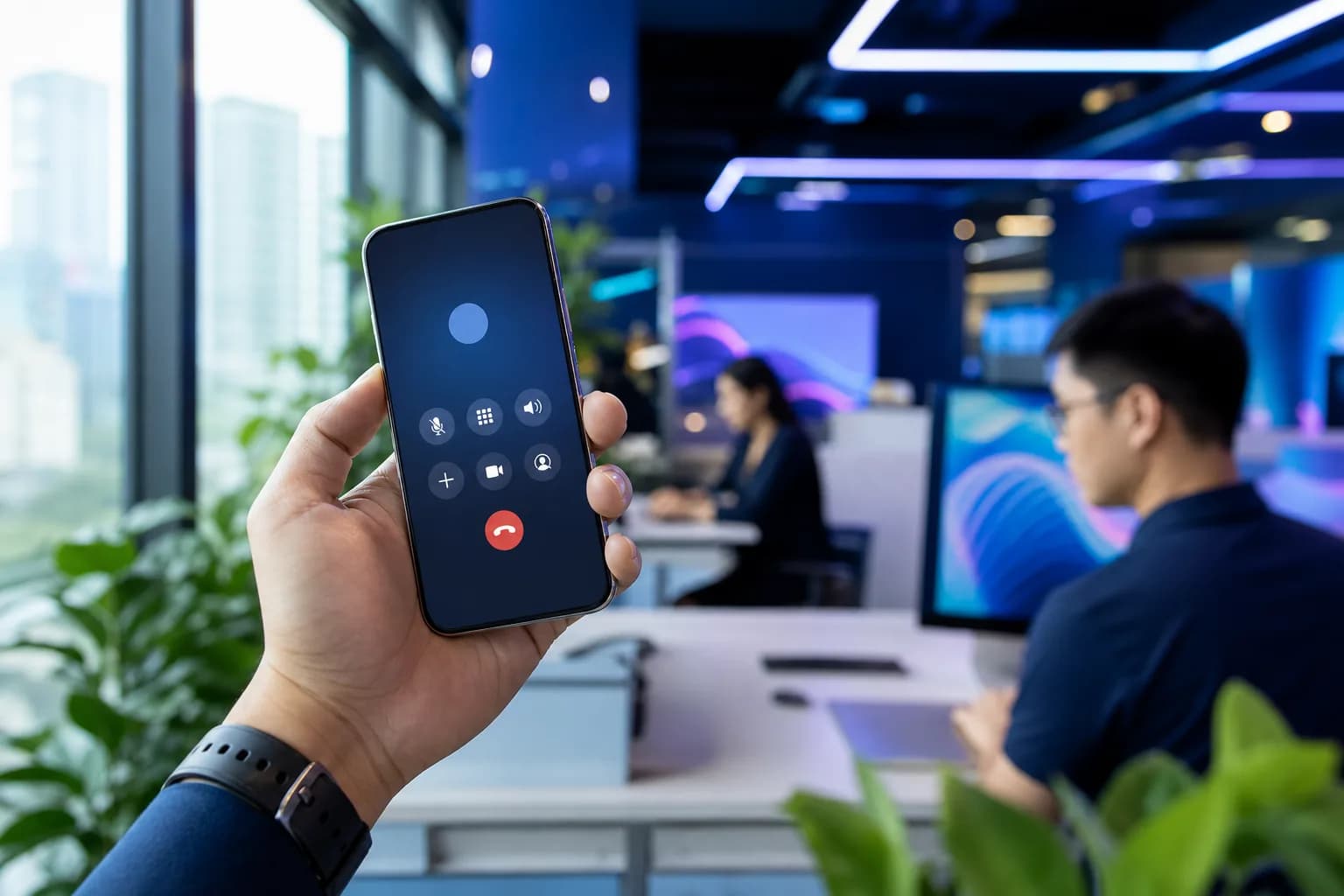
Inbound call verification lets users prove they control a phone number with one tap—no codes to type. Here's how it works:
- Your app sends the user's phone number to the verification service via API.
- The service returns a temporary hotline number unique to that verification attempt.
- The user taps to call the hotline from the phone being verified (no need to dial manually).
During the call attempt:
- The system matches the caller ID against the number being verified
- The call is rejected before connection (typically within 2-3 rings)
- No charges apply since the call never connects
The verification result is sent to your app:
- Via webhook (recommended for real-time updates)
- Or through API polling if webhooks aren't feasible
For apps in Vietnam and Southeast Asia, this avoids SMS delivery delays or reliance on OTT apps like Zalo. Users don't need to switch apps or check messages—just tap and hang up when the call drops.
Comparing phone verification methods
Choosing the right phone verification method depends on cost, delivery reliability, user convenience, and security. Here’s how common methods stack up:
| Method | Cost | Delivery Reliability | User Convenience | Security |
|---|---|---|---|---|
| SMS OTP | Moderate | Can vary by carrier | Requires typing a code | Vulnerable to SIM swap |
| WhatsApp/Zalo OTP | Low | Requires app installation | Depends on app availability | Relies on app security |
| Voice OTP | Higher | Generally reliable | Listen and type a code | Less prone to SMS pumping |
| Inbound Call Verification | Low | Highly reliable | Tap to call, no code | No SMS interception |
SMS OTP is widely used but can face delivery delays in Vietnam and Southeast Asia, especially in rural areas. WhatsApp or Zalo OTP avoids SMS costs but requires users to have the app installed, which isn’t always practical. Voice OTP is more reliable but often costs more and is less convenient for users. Inbound call verification eliminates typing, works without SMS or apps, and avoids common SMS vulnerabilities like SIM swap or pumping attacks.
For apps in Vietnam, inbound call verification offers a cost-effective, reliable, and secure alternative to traditional methods. Learn more about OTP methods compared to decide what works best for your app.
Integrating phone verification into your app
To add phone verification via inbound calls, start with API setup. Your app calls the verification API with the user's phone number and receives a hotline number. Display this number to the user with clear instructions to call it from the device being verified. The system matches the caller ID, rejects the call to prevent charges, and confirms verification.
Configure your webhook endpoint to receive verification results in real time. Handle these events to update user records, trigger welcome flows, or grant access. For apps in Vietnam and Southeast Asia, ensure your infrastructure can process webhooks with typical regional latency.
Test with these steps:
- Verify your API key and permissions in the developer portal
- Simulate calls from test numbers during development
- Check webhook delivery and error handling
- Monitor performance at launch
Scale by:
- Using asynchronous calls to avoid blocking your UI
- Caching hotline numbers for repeated attempts
- Logging verification attempts for troubleshooting
For detailed steps, see our integration guides covering edge cases and advanced configurations.
Industry use cases for phone verification
Phone verification is critical across industries where user identity and security matter. Here’s how different sectors leverage it:
E-commerce
Online marketplaces verify buyers and sellers to reduce fake accounts, prevent fraud, and improve delivery success. In Vietnam, where cash-on-delivery remains common, confirming a customer’s phone number ensures seamless order updates and reduces failed deliveries.
Fintech
Digital banks, payment apps, and lending platforms use phone verification to comply with regulations, block fraudulent sign-ups, and secure transactions. In Southeast Asia, where mobile-first finance is growing, linking accounts to verified numbers helps prevent SIM-swap attacks.
Social apps
Dating, community, and messaging apps verify users to cut down on spam bots and impersonators. For apps in Vietnam, where anonymous accounts are often misused, phone verification adds a layer of accountability.
Ride-hailing
Drivers and passengers are verified to ensure safety and prevent fake bookings. Ride-hailing services in Vietnam often require phone confirmation to deter no-shows and scams.
Explore more industry-specific phone verification approaches for your app or platform.
Phone number verification is essential for any app that values security and user trust. If you’re looking for a simpler, more reliable method than SMS OTP, try inbound call verification with a free trial today.
Frequently asked questions
What drives the cost of phone verification?+
Costs depend on the method used, carrier fees, and regional regulations. SMS OTP often incurs higher charges due to per-message fees.
How does phone verification improve user experience?+
It reduces friction by eliminating the need for users to manually enter codes, especially with methods like inbound call verification.
Is phone verification secure against SIM swap attacks?+
While no method is entirely fraud-proof, inbound call verification can mitigate risks by relying on real-time caller ID matching.
How long does it take to integrate phone verification?+
Integration typically takes a few hours to a day, depending on the method and your app’s architecture.
What happens if a user doesn’t answer the verification call?+
With inbound call verification, the user initiates the call, so they’re always available to complete the process.
- #phone verification
- #otp methods
- #fraud prevention
- #apps vietnam
- #southeast asia
Ready to verify phone numbers with one call?
Start free trial